
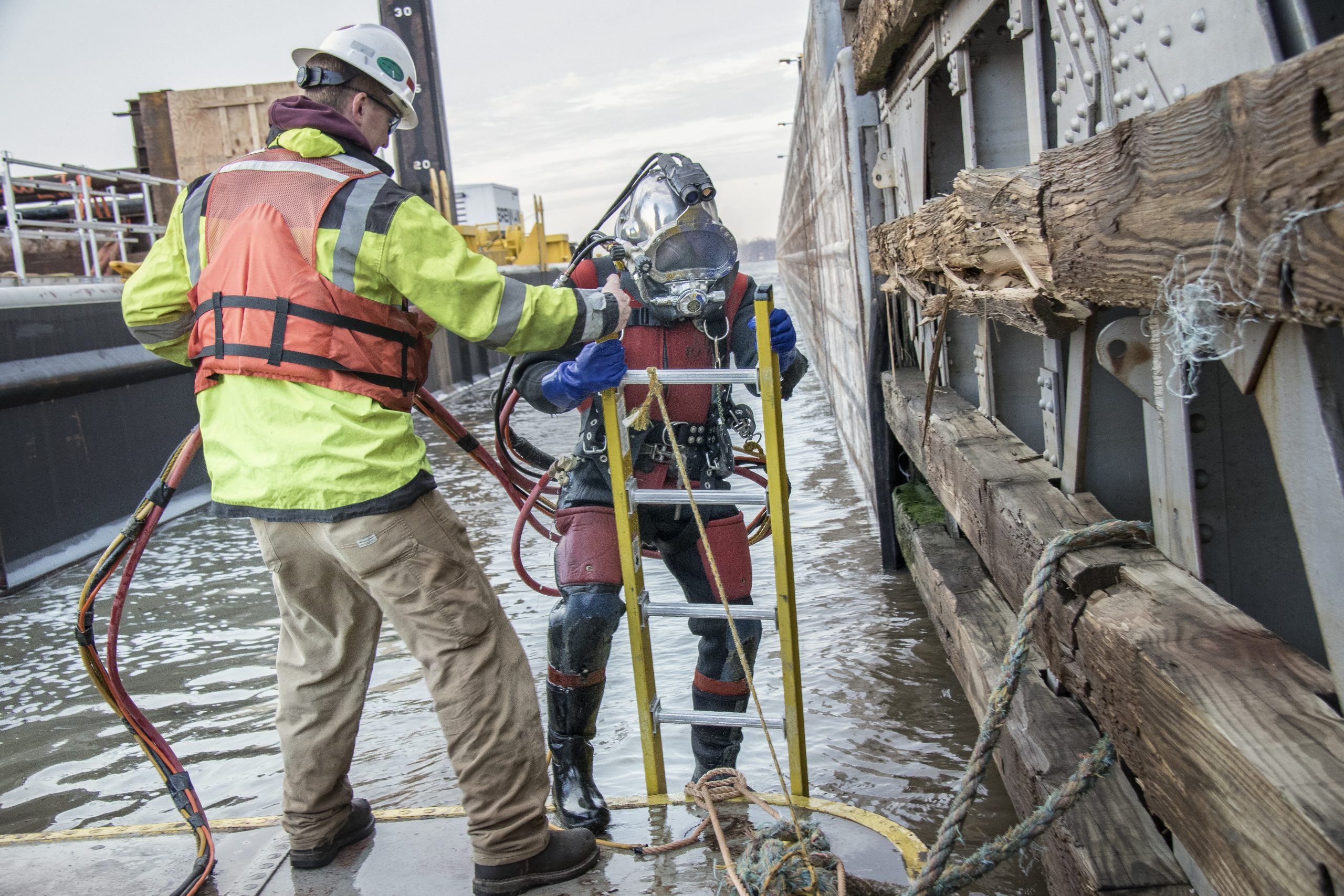
Four Steps to Establishing a Successful Diving Plan
What Encompasses a Dive Plan?
The true purposes of a dive plan are understanding the risks and mitigating them, and understanding the depths and work load that is going to be put on the diver at the depth at which they are diving. There are four major steps to establishing and completing a diving plan.
- Knowing what rules and regulations you may be subject to
- Working with the client to learn any potential risks and the best way to mitigate them
- Putting the dive plan together
- Taking the necessary safety precautions while following the dive plan
1. Adhering to Rules and Regulations
Before any real diving plan can be established, it is important to know which regulations you may be required to follow. Whether it’s OSHA Diving, U.S. Coast Guard, U.S. Navy, the U.S. Army Corps of Engineers or any other regulating body you have to be prepared to follow their rules. While all plans typically include the same areas of coverage, the strictness and measurements of the plans you have to follow may vary from governing body to body. OSHA and the Coast Guard follow a similar rule book including specific diving mode procedures whether SCUBA or surface-supplied, equipment applicability, and periodic testing and inspections. The U.S. Navy has a hefty nearly 1000 page manual covering diving aspects in virtually every water condition and also includes a handy diving table noting the time allowed at each depth.
The Army Corps, EM 385-1-1 plan requires submitting a formal and robust diving plan, including crew and equipment certifications, a written site-specific accident prevention plan, and activity hazard analyses. The plan then goes through a formal review process by an Army Corps representative, who won’t hold anything back in scrutinizing aspects of the plan.
Aside from government regulations, there may also be organizational requirements to meet. Such as the Association of Diving Contractors International (ADCI), of which we are a member, that while not legally binding provide guidelines for divers to follow. ADCI guidelines include minimum equipment standards including a full face mask, weight belt, emergency O2 administration kit, two 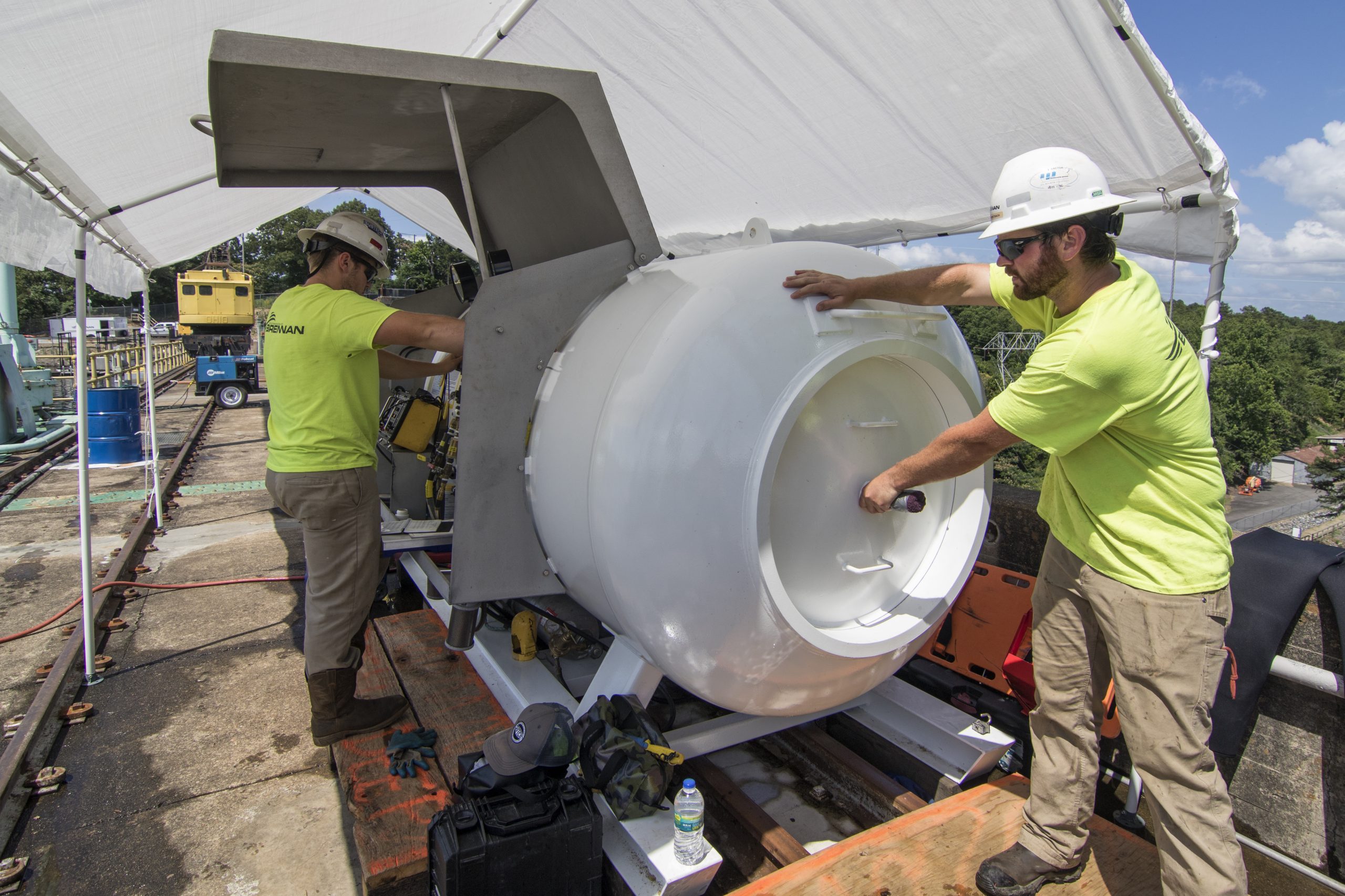 independent air sources, and a double-lock decompression chamber. There are also minimum personnel requirements on site needing one air-diving supervisor, one diver, and one tender/diver properly equipped and capable of performing the duties of a standby diver. Additionally, at least one member must have a recognized O2 provider certification. An upside to following these regulations is the ability to take the best practices from each regulating body and incorporate them into your plans.
A recent trend across the diving industry is we are now beginning to see larger utility companies require specific dive requirements, and one of those major requirements is having a diving plan approved prior to starting work. More companies are also beginning to hire dive representatives to review any dive plan before operations begin.
2. Working with the Client
One of the most important aspects of ensuring a safe diving operation is talking with your client to
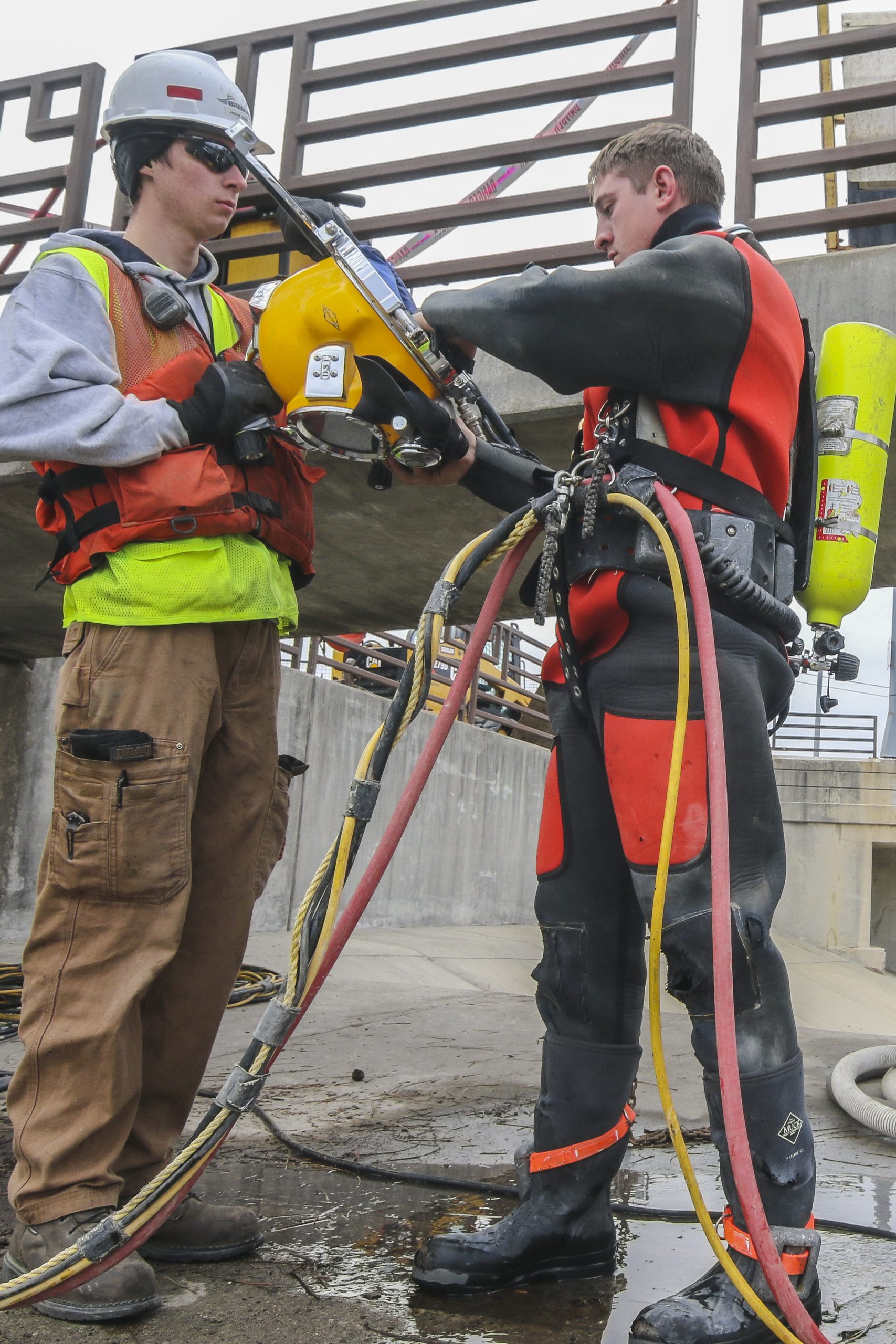
note any potential areas of danger and begin a plan to mitigate any risk. Understanding the risks involved means both the client and the contractor have to each know the full scope of the project, the approach that will be taken, and the speed at which the project can occur. It can be as simple as arranging a meeting with a client representative, including your supervisor overseeing the dive operation any divers set to work in the water, to ensure that everybody present is comfortable with the process before the work begins.
Talking with the client can also go a long way toward mitigating risks. There may be flowing water present that could cause a diver to become entrapped or sucked out or a mechanical hazard with spinning parts. If this were to be the case, it could be resolved by talking with the client to ensure all systems are in the off position and putting a physical lock on them to prevent any slips. You may also run into environmental hazards which could require specialized diving suits to work onsite safely. No contractor can know all the risks present at every job site which is why it is so crucial to communicate with the clients.
3. Writing a Dive Plan
Once you know which regulations to follow and have talked with the client to learn any hazards or risk, you can create a dive plan.
A dive plan should include the following:
- The scope of the project
- Contract number and client
- Who prepared the dive plan
- The crew members on site
- Roles and responsibilities
- Topside Assistance Support information
- A list of equipment
- Vessel or platform you’re working off of
- Entry & Egress for the diver
- Depth Profile, if there is a need for a special decompression chamber
- Location
- Dive gear being used, whether surface supplied air or scuba
- Anticipated conditions on site
- Maximum bottom time allowed for divers
- Communications being used, dive station to diver, dive station to lockmaster
- Emergency phone numbers
- Hazards present
- Hazard mitigation techniques
- Start dates and times
- Assumed duration
- An emergency management plan (EMP).
- The EMP is key to ensuring a safe plan as it should contain the steps necessary to take an injured crew member to safety, emergency medical contact information, recompression chamber locations, and the physical location of a diver. We have taken to alerting local hospitals of upcoming diver operations before they occur, giving them ample time to prepare in the event of an emergency.
There should also be flexibility in your plan in case of any contract changes of scope, or added crew members, which could save a potential headache if any deviations occur. In our experience, we have found it helpful to include any OSHA, ADCI, U.S. Coast Guard, or U.S. Navy regulations in a digital form along with the dive plan, so our diving crew has the resources right at their fingertips.
4. Following the Plan
All the work put into following regulations, engaging with the client, and writing the dive plan can go to waste if you are not prepared enough to follow the plan.
- Covering the full scope of the job at hand, as defined by the owner, with your dive team, so each person knows all the rules and responsibilities.
- Defining who the divers are for that day and assure that they are fit to dive, no head colds, no headaches.
- Doing all the pre-dive checks, which covers all the safety and life support equipment.
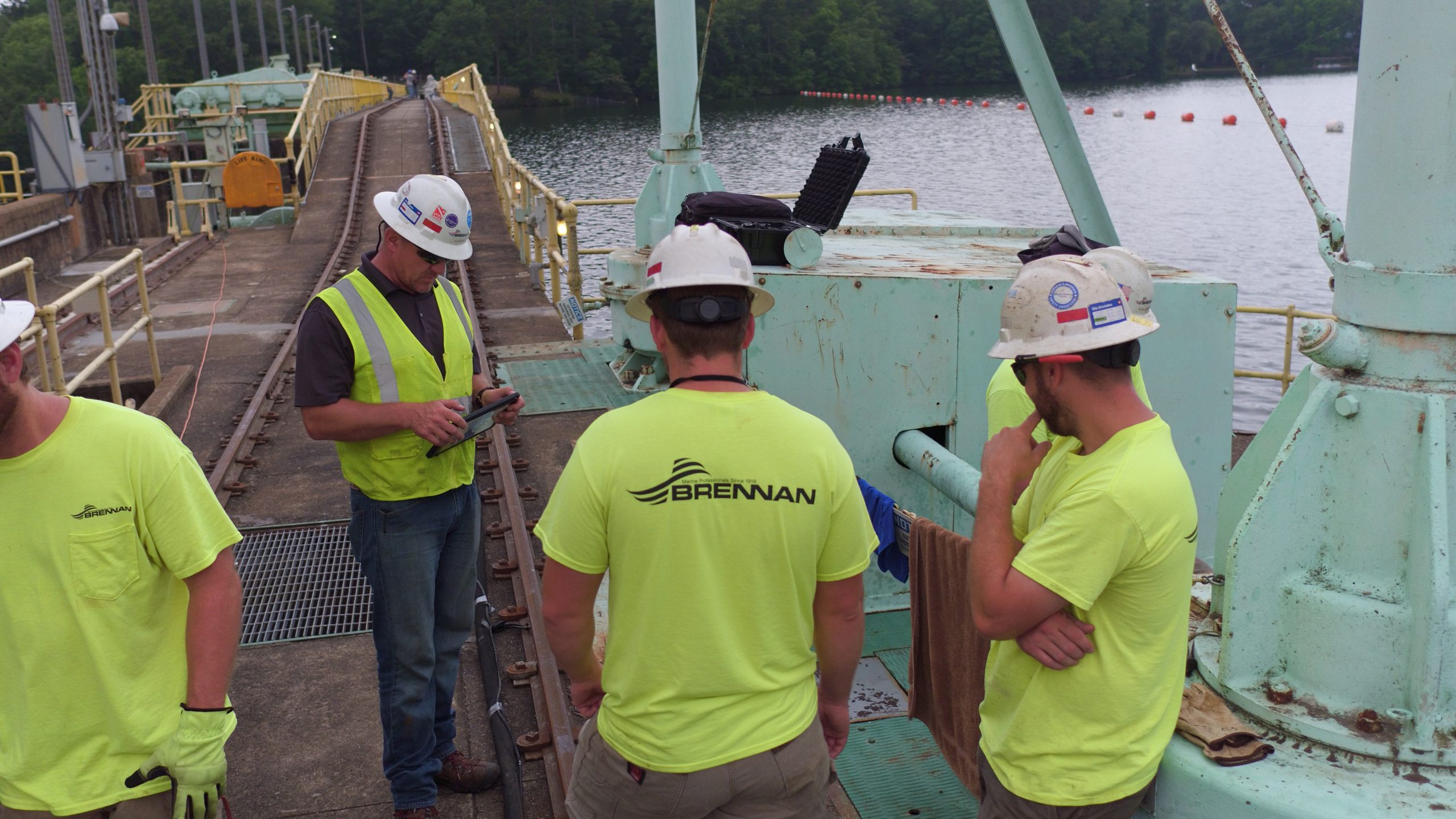
A key aspect of ensuring success is completing the process of documenting your progress and methodology. Keeping records of the documents filled out such as dive logs, safety analyses, hyperbaric exposure, diver physicals, and drug tests, and life support inspections and certifications help when establishing dive plans. In the case of hyperbaric exposure, it is required by law to keep track of all exposures.
The success of any diving operation depends on the attention to detail put into the diving plan. A diving plan that adheres to regulations includes all the risks from the site, contains all needed information, and is correctly followed can be a successful operation.






Leave A Comment